Corey Jackson, Ph.D. is an Assistant Professor at the University of Wisconsin-Madison The Information School, where he leads research at the intersection of Human-Computer Interaction (HCI), Computer-Supported Cooperative Work (CSCW), and social computing. Corey’s work focuses on designing and analyzing socio-technical systems that enhance collective competence, foster motivation, and integrate diverse perspectives into high-stakes decision-making contexts.
Research Interests
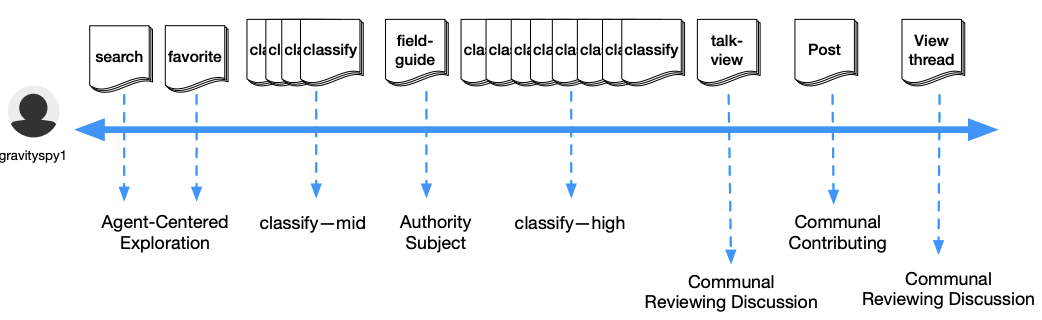
Augmented Expertise
How people develop specialized expertise through participation in distributed systems. This work examines adaptive scaffolding, feedback, language socialization, and task design as mechanisms that help non-experts build durable knowledge and skill.
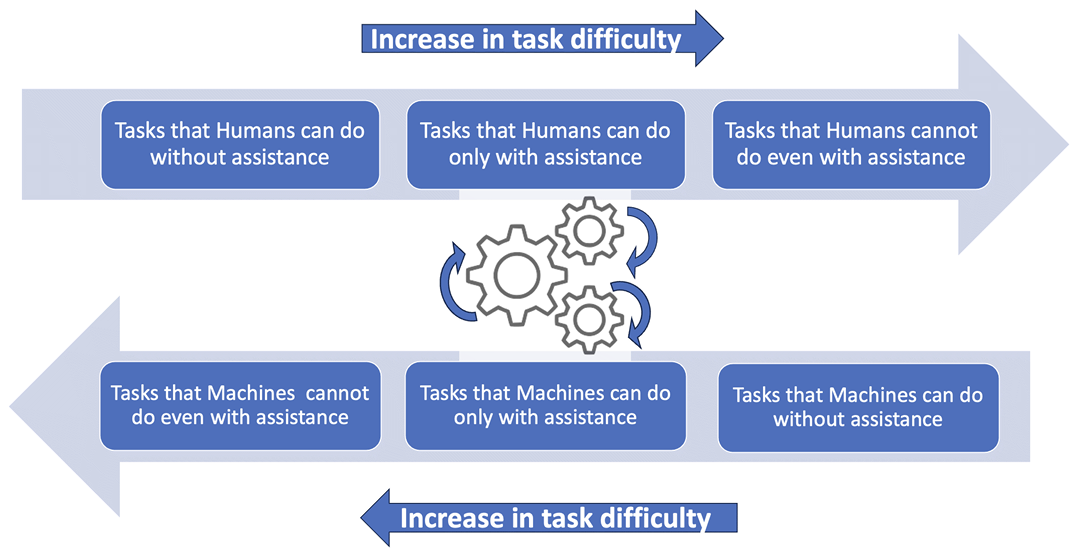
Hybrid Intelligence Systems
How people and AI systems can learn together rather than simply divide work between human and machine. This research focuses on co-learning, machine-guided classification, and systems that improve both human capability and model performance.
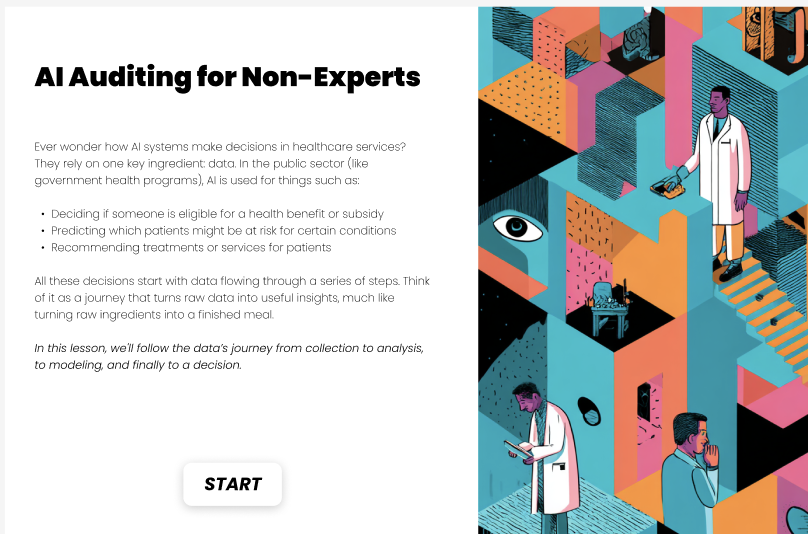
Algorithmic and Data Justice
How algorithmic and data-driven systems can better reflect community values, especially in high-stakes public contexts. This work includes participatory AI auditing, normative reasoning, fairness, and public perspectives on responsible data use.
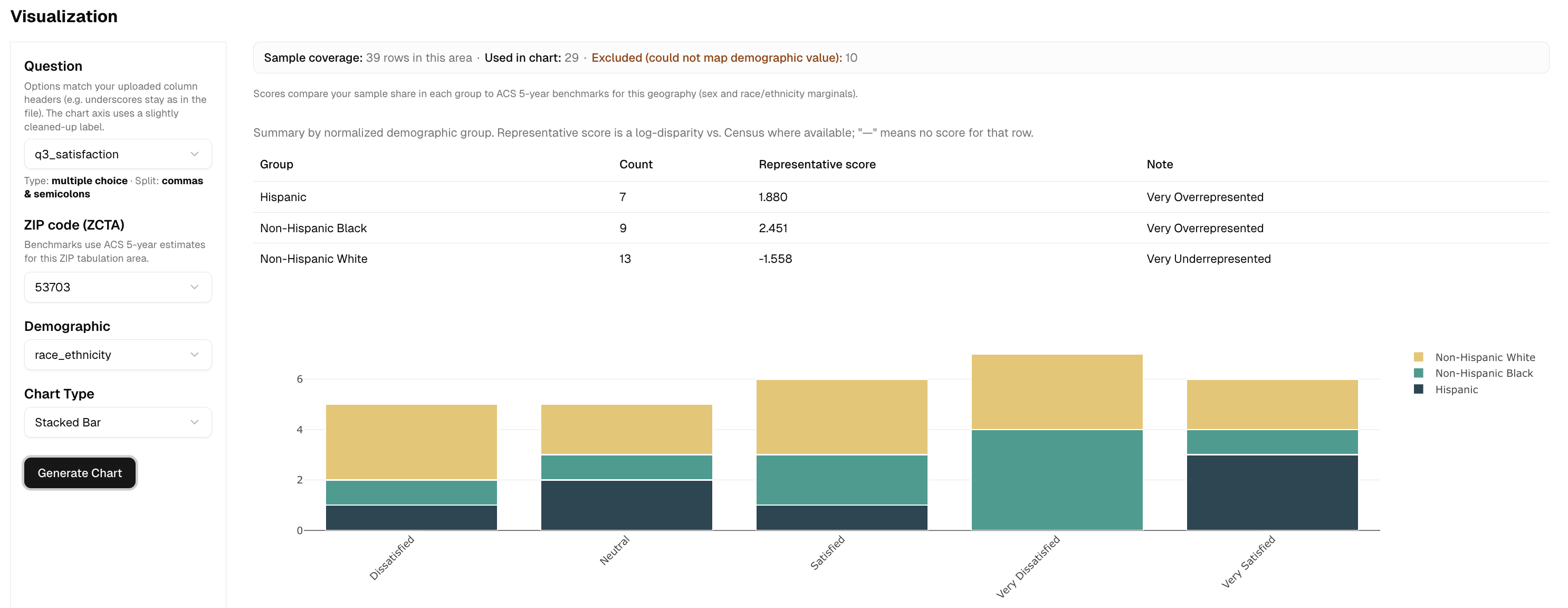
Civic Data and Participation
Designing and studying systems that help communities participate meaningfully in data-driven governance. This research focuses on environmental justice mapping, representativeness in civic data, and ways to connect community knowledge with institutional information.
Corey’s research has been supported by the National Science Foundation, the Rockefeller Foundation, the Chan Zuckerberg Initiative, and the UW-Madison Office of the Vice Chancellor for Research and Graduate Education.
PhD Student Openings
Corey advises Ph.D. students interested in HCI, CSCW, responsible AI, and civic technology, particularly those interested in participatory methods, qualitative and mixed-methods research, and real-world public sector impact.
Prospective students are encouraged to review the advising philosophy and current research before reaching out.