Dr. Jackson studies how people learn, participate, and exercise judgment in data-rich and AI-mediated environments. His research spans four connected areas that examine how expertise is developed, how humans and AI systems learn together, and how communities can participate meaningfully in data-driven decision-making. View publications related to his research areas →
Augmented Expertise
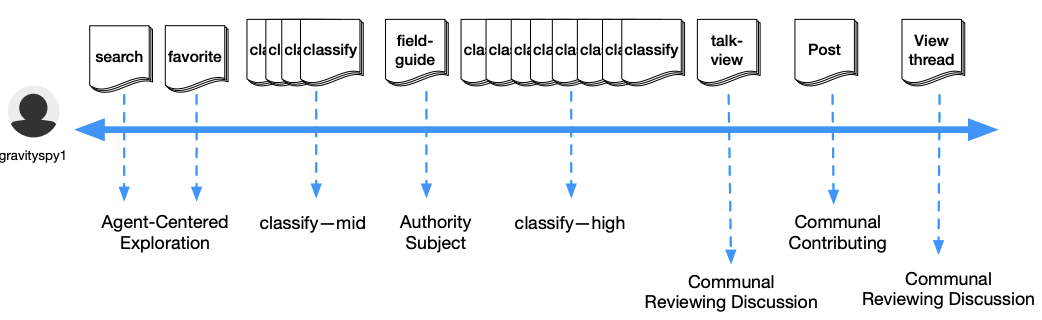
Contributions
Jackson, C. (2025). Please Say "Shibboleth": Socialization Through Language Adoption in Virtual Citizen Science. In Proceedings of the International AAAI Conference on Web and Social Media.
Jackson, C., Østerlund, C., Crowston, K., Harandi, M., Allen, S., Bahaadini, S., ... & Zevin, M. (2020). Teaching citizen scientists to categorize glitches using machine learning guided training. Computers in Human Behavior, 105, 106198.
Hybrid Intelligence Systems
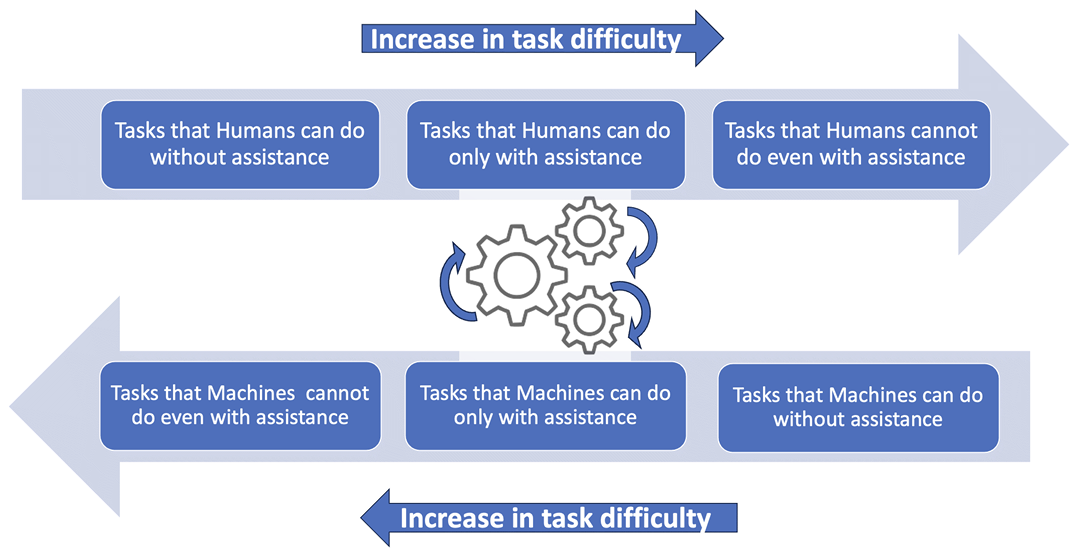
This research introduces co-learning as a model for human-AI interaction, shows how humans can act as analytical collaborators rather than only data labelers, and demonstrates how hybrid systems can improve both model performance and human expertise.
Contributions
Zevin, M., Jackson, C. B., Doctor, Z., Wu, Y., Østerlund, C., Johnson, L. C., ... & Téglás, B. (2024). Gravity Spy: lessons learned and a path forward.The European Physical Journal Plus, 139(1), 100.
Østerlund, C., Crowston, K., Jackson, C. B., Wu, Y., Smith, A. O., & Katsaggelos, A. K. (2024).Supporting Human and Machine Co-Learning in Citizen Science: Lessons From Gravity Spy.Citizen Science: Theory and Practice, 9(1).
Algorithmic and Data Justice
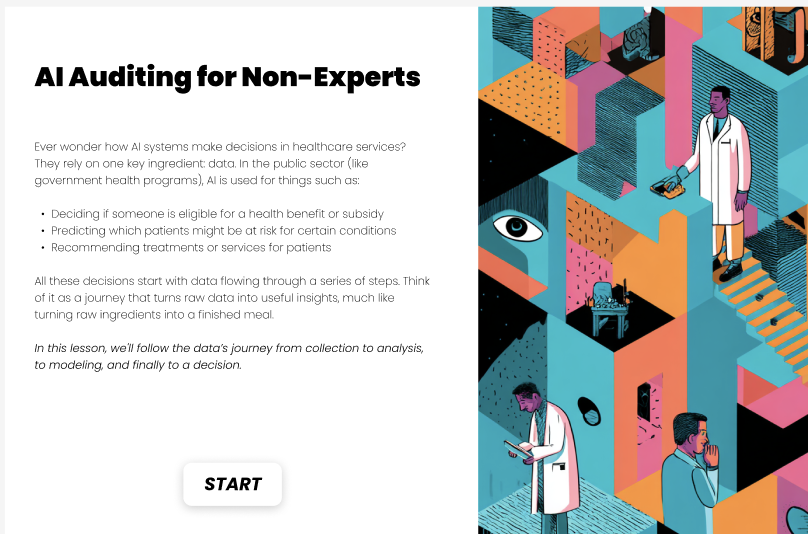
This work reframes AI auditing as a participatory and socially grounded process, demonstrates the importance of normative reasoning in evaluating algorithmic systems, and connects technical AI evaluation with community-centered perspectives on responsible AI.
Contributions
Jackson, C., Ahmad, T., Raj, S. D., & Wu, N. (2026). Beyond Bias Detection: Community auditors and normative reasoning in AI oversight. Proceedings of the ACM on Human-Computer Interaction.
Civic Data and Participation
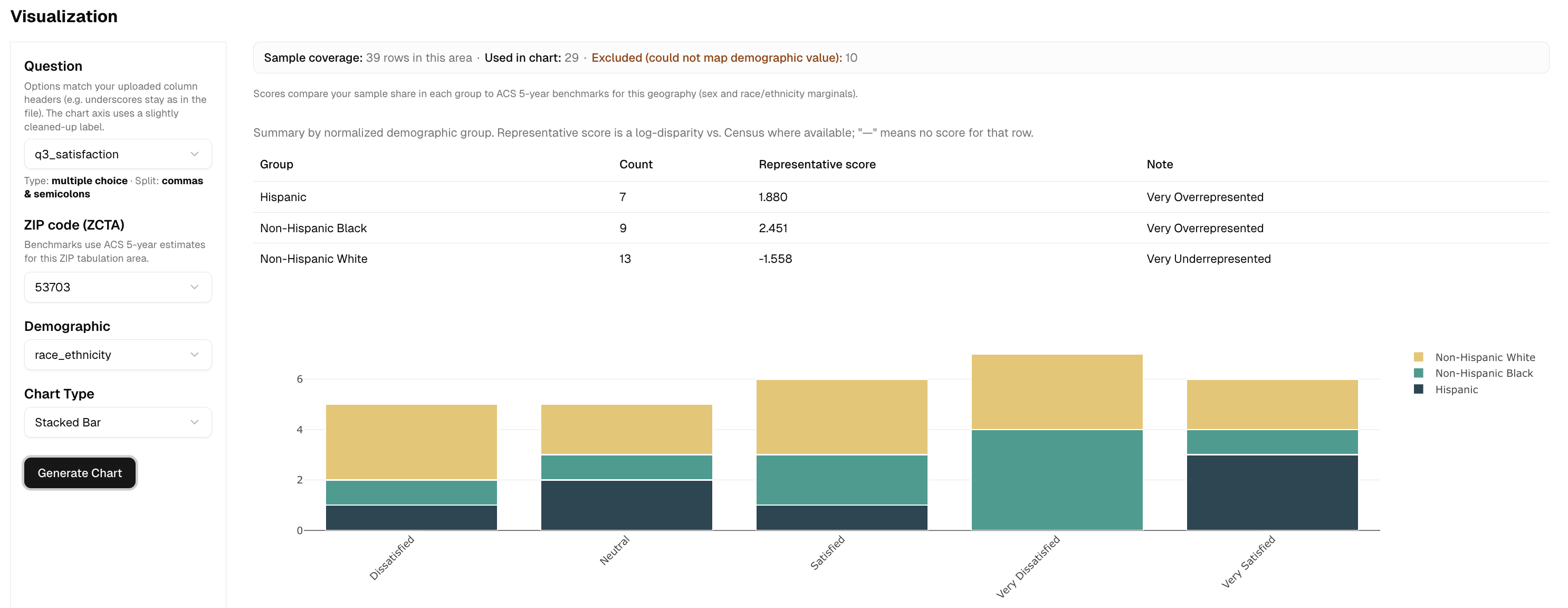
This work identifies structural barriers to participation in civic data systems, develops models for understanding representativeness in community-generated data, and designs systems that integrate community narratives with institutional data.
Contributions
Jeong, E., Jackson, C., Pandey, S., & Chen, K. (2026, April). Seeing Like a Community: Public Perceptions of Data Use in Government. In Proceedings of the 2026 CHI Conference on Human Factors in Computing Systems.